Aria Telecom’s Doctor Appointment IVR System India
Effective communication is essential for hospitals, clinics, and healthcare centers that want to provide convenient services to patients. Every day, healthcare facilities receive calls about doctor availability, appointment scheduling, consultation hours, follow-up visits, and departmental enquiries. Managing these calls manually can put pressure on reception staff and cause delays during busy periods. An automated Interactive Voice Response (IVR) solution helps healthcare providers organize incoming calls and guide patients toward the information or department they need.
Aria Telecom’s Doctor Appointment IVR System India is a relevant solution for healthcare organizations looking to improve telephone-based appointment management and streamline patient communication.
What Is a Doctor Appointment IVR System?
A Doctor Appointment IVR System uses automated voice menus to help callers navigate healthcare services. Patients can select options through their telephone keypad or use voice input when supported by the system. Based on their selection, calls can be routed to the appointment desk, reception, billing department, or another designated team.
Depending on the configuration, an IVR system can provide recorded announcements, communicate consultation timings, manage call queues, and connect with compatible appointment scheduling software. Integration with scheduling platforms may also enable additional functions, such as appointment requests, confirmations, or reminders.
By automating routine telephone interactions, healthcare organizations can establish a more structured communication process without requiring staff to answer every call individually.
Why Hospitals and Clinics Need Appointment IVR
1. Simplified Patient Communication
Patients often call healthcare facilities to ask about doctor availability, consultation schedules, and appointment procedures. An IVR menu can guide callers through the available options and direct them to the appropriate department, reducing confusion during routine enquiries.
2. Better Call Handling During Peak Hours
Hospitals and popular clinics may experience high call volumes during mornings, evenings, and specialist consultation hours. An automated system can answer incoming calls, play information, and organize call routing according to predefined rules.
3. Reduced Administrative Workload
Reception teams frequently handle repetitive enquiries about operating hours, department locations, and booking procedures. Recorded announcements and automated menus can manage some of these interactions, allowing staff to focus on more complex patient requirements.
4. Consistent Information Availability
Healthcare providers can configure recorded messages containing clinic timings, holiday schedules, visiting instructions, and other approved information. This helps patients access basic details even when reception staff are occupied or unavailable.
5. Improved Appointment Coordination
When connected to compatible scheduling software, an IVR system may support appointment-related workflows. Depending on the integration, patients can be guided toward booking requests, confirmations, or changes without navigating multiple telephone departments.
Essential Features of a Healthcare IVR System
When evaluating Aria Telecom’s Doctor Appointment IVR System India, hospitals and clinics should consider the following features.
Customizable voice menus: Clear menus help patients select the correct service without unnecessary steps.
Intelligent call routing: Calls can be directed to appointment desks, specialist departments, reception teams, or other designated extensions.
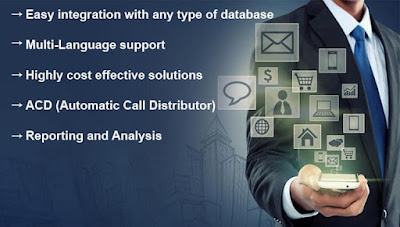
Multilingual support: Voice announcements in relevant Indian languages can improve accessibility for patients with different language preferences.
Appointment software integration: Compatibility with existing hospital management or scheduling platforms should be confirmed before deployment.
Call queue management: Queue announcements and other supported features can help organize calls when staff members are busy.
Call reports and analytics: Reports can help administrators evaluate call volumes, missed calls, peak periods, and opportunities to improve telephone service.
Reliable call transfer: Patients should have a clear route to a staff member when automated options cannot resolve their enquiry.
Security and privacy: Healthcare providers should review access permissions, data protection practices, and applicable requirements for handling patient information.
Who Can Benefit from Doctor Appointment IVR?
Multispecialty hospitals: Route callers to departments such as cardiology, orthopedics, pediatrics, and general medicine.
Private clinics: Organize appointment enquiries and provide consistent consultation information.
Diagnostic centers: Direct callers to information about tests, operating hours, and booking procedures.
Dental clinics: Simplify routine enquiries about consultations and follow-up visits.
Multi-location healthcare groups: Maintain consistent call-handling procedures across different branches, subject to system configuration.
Each organization should configure its IVR according to its patient volume, staffing structure, scheduling processes, and communication priorities.
Why Choose Aria Telecom?
Aria Telecom provides business communication and telephony solutions that help organizations manage calls and improve communication workflows. Healthcare providers considering Aria Telecom’s Doctor Appointment IVR System India should evaluate their existing telephone infrastructure, required menu options, expected call traffic, integration needs, and ongoing support requirements.
Aria Telecom can be considered when exploring an IVR solution tailored to healthcare communication needs. Before implementation, administrators should map appointment workflows, define department routing, prepare accurate voice announcements, and determine when calls must be transferred to human staff.
A well-planned deployment can help reduce avoidable manual tasks and provide patients with a more organized telephone experience. Emergency calls should always follow an appropriate escalation process and must not be delayed by automated menus.

Comments
Post a Comment